
30+


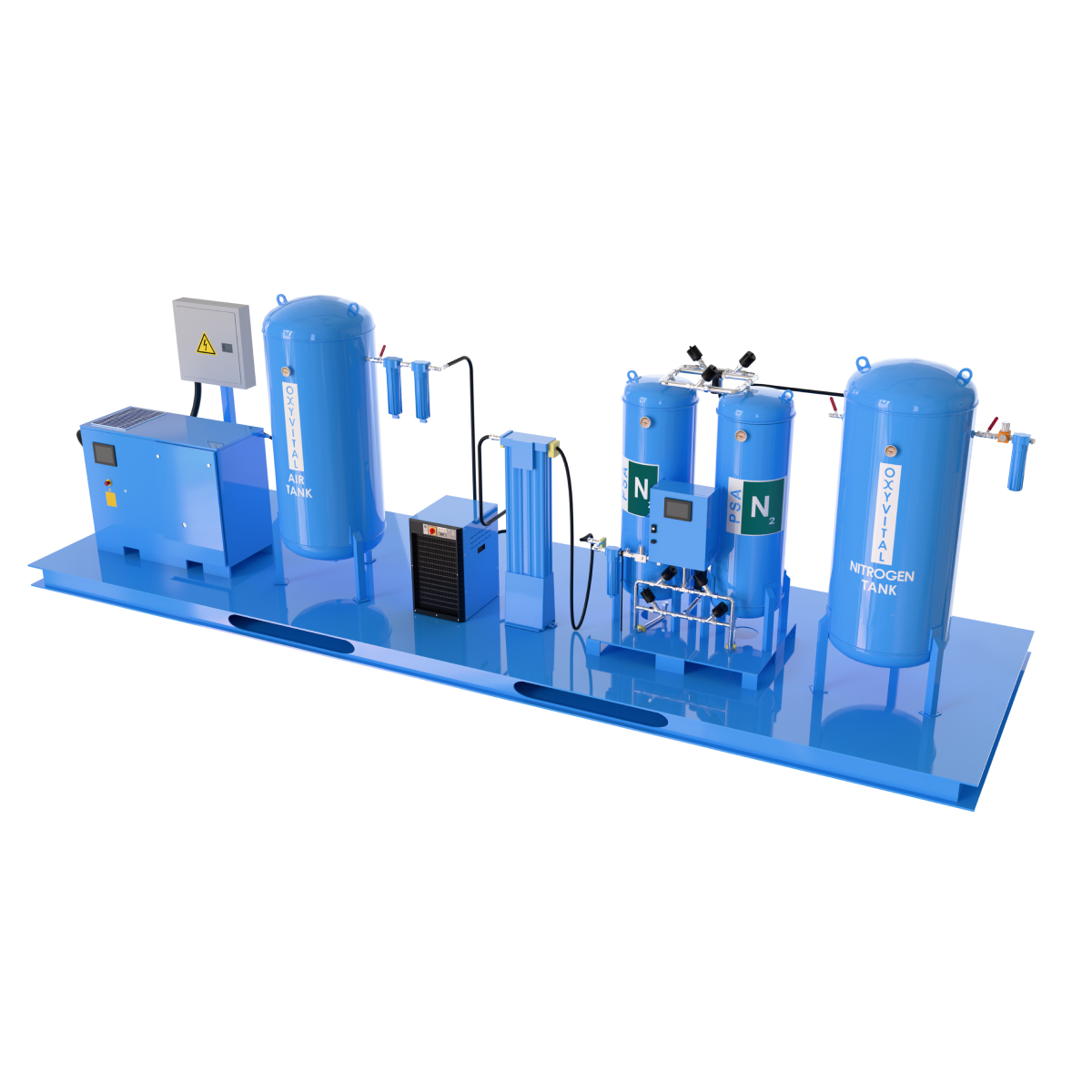
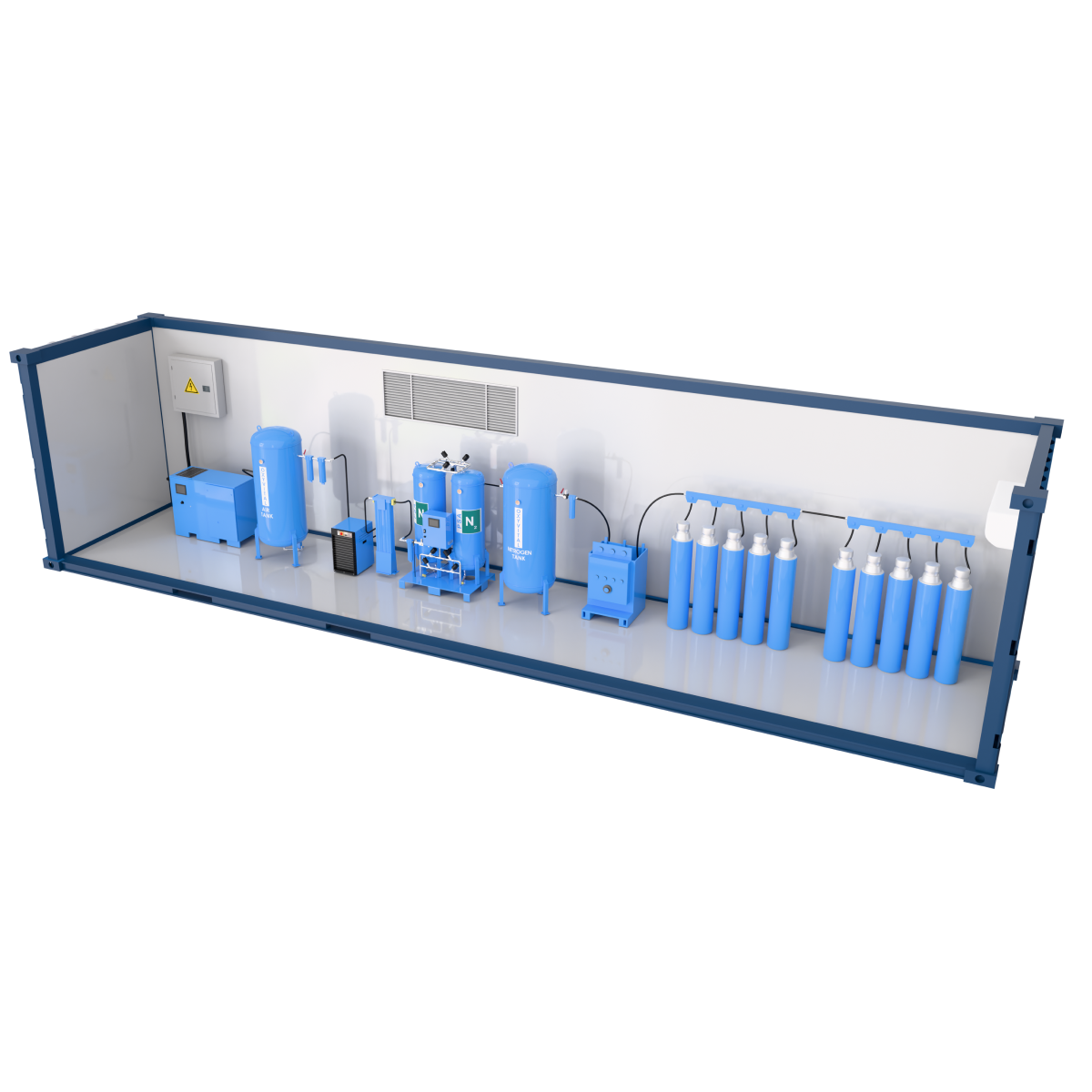
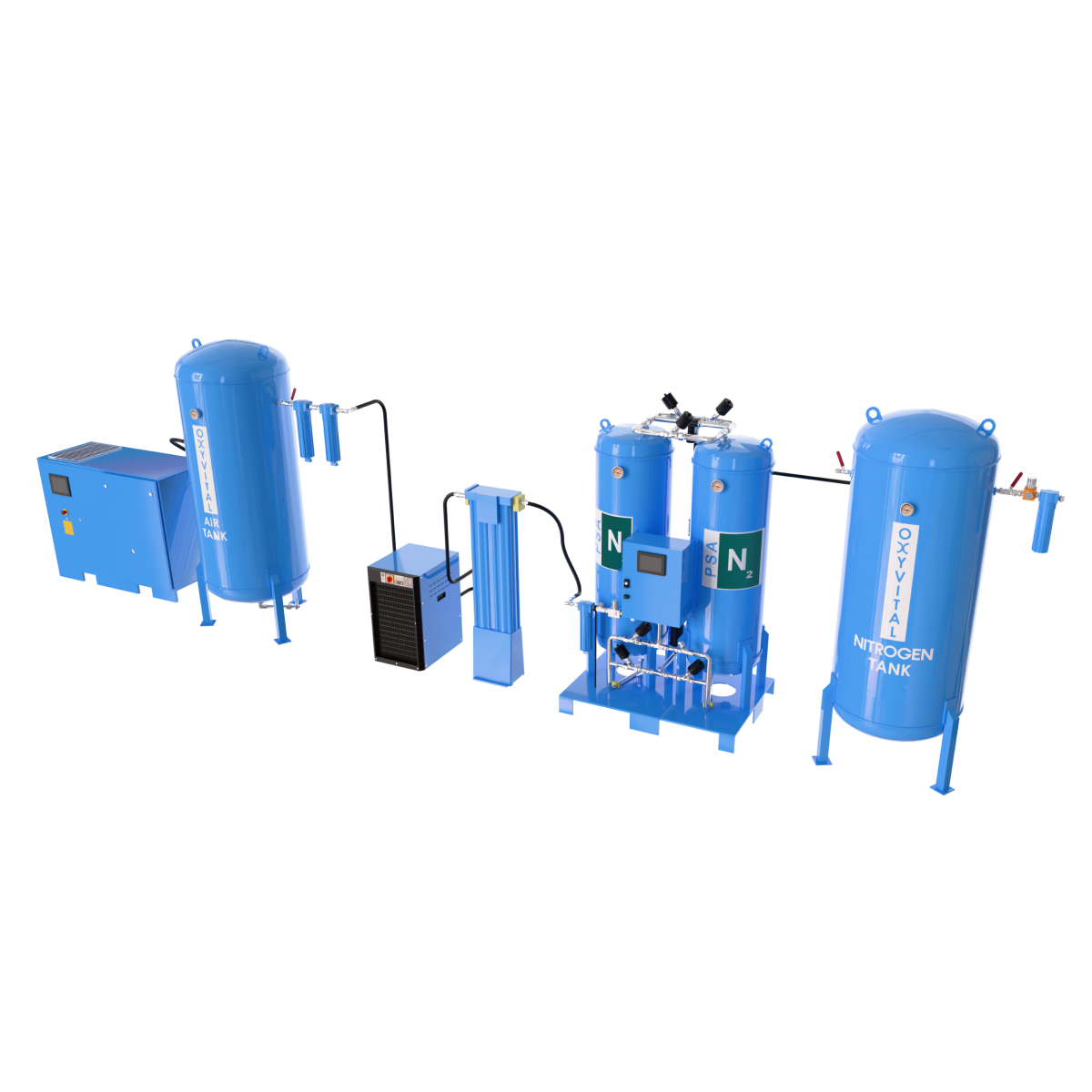
In petrochemical and refinery facilities, high-purity oxygen is a critical component for many chemical reactions and processes. OXYVITAL PSA oxygen generator systems are used effectively to improve combustion efficiency, optimize chemical reactions, and accelerate gasification and oxidation processes.
How Does OXYVITAL Work in This Field?

Combustion Efficiency and Emission Control

Feedstock for Synthesis Gas (Syngas) Production

Chemical Reaction Control

Support for Desulfurization Processes
Why Should You Use an Oxygen Generator in Petrochemical and Refinery Operations?
Meeting Continuous Oxygen Demand
Oxygen consumption in petrochemical and refinery processes is continuous. PSA generators produce the gas on-site, providing a steady, stable supply.
Eliminating Dependence on External Supply
Removes the need for cylinder or liquid oxygen logistics. This eliminates supply delays and inventory management risks.
Improving Combustion Efficiency
Oxygen-enriched combustion support enables higher temperatures and more efficient energy use in furnaces and boilers.
Bringing Reaction Rates Under Control
In chemical processes, oxygen stabilizes reaction kinetics, allowing production processes to proceed in a more controlled manner.
Reducing Emissions and Ensuring Environmental Compliance
Formation of CO₂, NOₓ, and other harmful gases is reduced. This eases compliance with environmental standards and supports sustainable production.
Benefits of an Oxygen Generator in Petrochemical and Refinery Operations
✓
Provides an uninterrupted, high-purity oxygen supply
✓
Improves combustion efficiency, delivering lower fuel consumption
✓
Reduces waste gases and carbon emissions, offering an environmentally friendly solution
✓
Increases reaction rates in chemical production processes, raising production capacity
✓
Provides a continuous oxygen source without the need to transport liquid or cylinder oxygen, lowering logistics costs
 CE Certificate
 ISO 9001
 ISO 13485
 ISO 14001
 ISO 45001
 2017/745 MDR
 PED 2014/68/EU
High Efficiency in Petrochemical and Refinery Operations with OXYVITAL Oxygen Generators
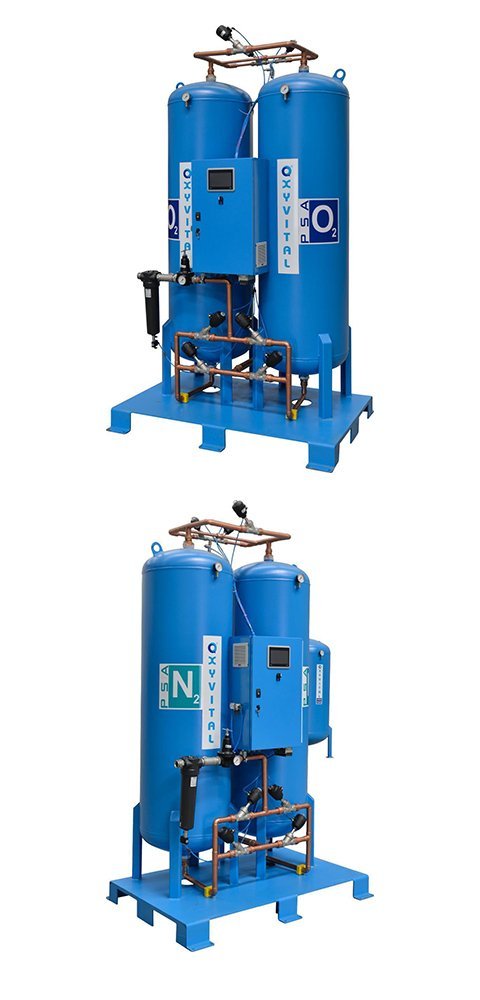
OXYVITAL PSA oxygen generators are designed to adapt to the varying process requirements of petrochemical and refinery facilities. They deliver a stable oxygen supply across a wide range of applications, from combustion systems to gasification lines. With these advantages, production processes gain energy efficiency while emission control becomes more effective.
OXYVITAL PSA oxygen generators deliver sustainable, economical, and high-performance oxygen production in petrochemical and refinery facilities, making production processes more efficient.
Frequently Asked Questions
+Why is oxygen used in petrochemical facilities?
It's used to improve combustion efficiency, accelerate chemical reactions, and reduce emissions.
+What does a PSA oxygen generator provide in refinery processes?
Oxyvital generators provide continuous, high-purity oxygen production, eliminate the need for external supply, and improve process stability.
+What is the importance of oxygen in synthesis gas production?
It enables the conversion of raw materials in gasification processes and is one of the core inputs for hydrogen and chemical production.